
Written By: Sherry Harris
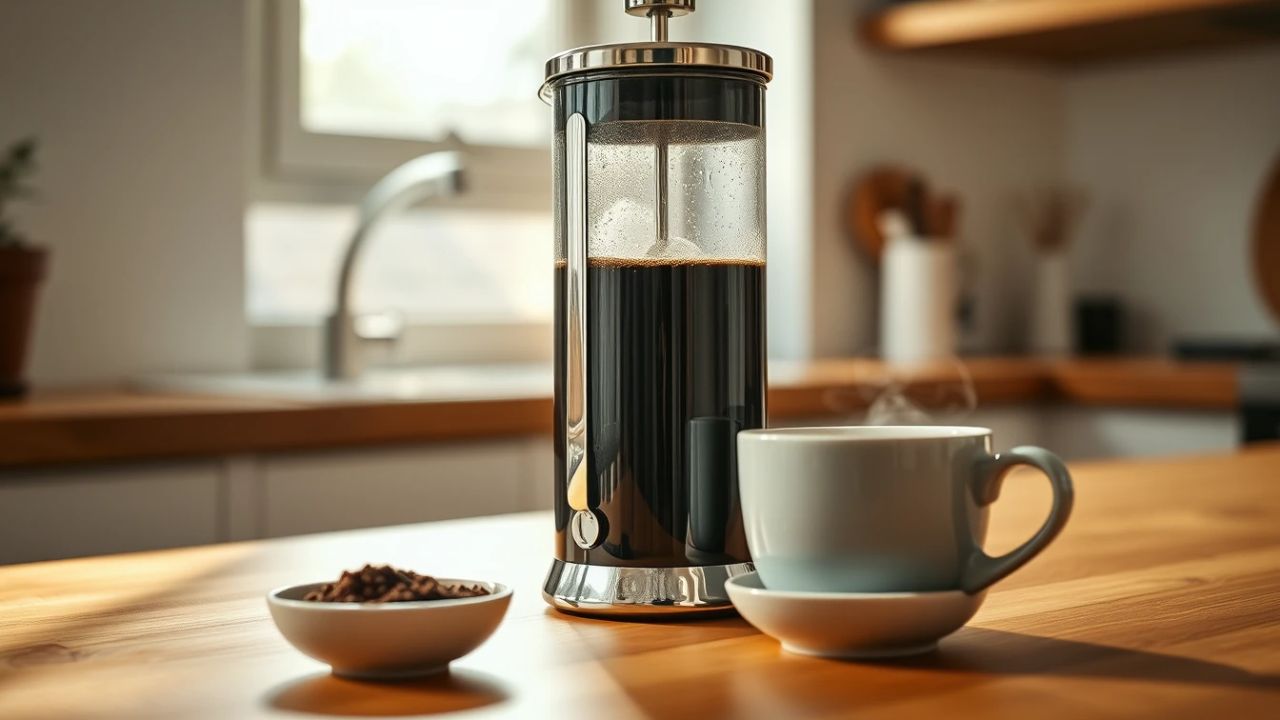
If you’re craving a rich, full-bodied cup of coffee, the French Press is one of the easiest and most satisfying ways to brew. It doesn’t require fancy equipment, just a little technique and the right ingredients. Let’s walk through everything you need to make perfect French Press coffee at home.
Table of Contents
What Is French Press Coffee?
French Press coffee is created by steeping coarse grounds in hot water and pressing them through a metal filter. The method preserves natural coffee oils, giving the drink a rich and bold flavor. Many people prefer it because it produces stronger aromas than drip machines. It’s a simple technique that anyone can master at home.
The French Press originated in the 19th century and has seen many design variations through the years. Its popularity grew because it was easy, durable, and produced a flavorful brew. It became widely used in European homes before spreading globally. Today, it remains a favorite manual brewing method.
Why People Love It
French Press coffee is loved for its full-bodied taste and simple process. Because no paper filter removes the oils, each cup feels richer and more aromatic. You also have full control over steeping time and grind size. This makes it easy to personalize your brewing experience.
What You Need Before Brewing
Brewing with a French Press requires only a few tools, making it beginner-friendly. You’ll need a French Press, fresh coffee beans, hot water, and a grinder. Better equipment improves extraction and enhances the flavor. Once everything is ready, the brewing process becomes smooth and enjoyable.
The French Press
A French Press comes in multiple sizes, with the 34-ounce model being the most popular. Higher-quality models are made from stainless steel or borosilicate glass. A sturdy plunger helps minimize grounds passing through the filter. Choosing a durable press ensures long-lasting performance.
Coffee Beans
Fresh beans play a major role in determining flavor quality. Recently roasted beans deliver better aroma, sweetness, and balance. You should ideally grind them right before brewing to lock in freshness. Whole beans also maintain flavor longer than pre-ground coffee.
Grinder Type
Burr grinders are the top choice because they create consistent coarse grounds. This consistency prevents over-extraction and bitterness. Blade grinders produce uneven pieces that affect flavor negatively. For the best results, always use a burr grinder set to coarse.
Water Temperature
The right water temperature ensures proper extraction without burning the coffee. Aim for 195°F to 205°F, which is slightly below boiling. Let boiled water sit for 30 seconds if you don’t have a thermometer. The proper temperature helps bring out deeper flavor notes.
| Item | Recommendation |
|---|---|
| French Press | 34 oz stainless steel/glass |
| Coffee Beans | Freshly roasted whole beans |
| Burr Grinder | Coarse setting |
| Kettle | Gooseneck preferred |
| Scale | Digital coffee scale |
Do You Know?
>> How to Make Coffee Less Bitter
Choosing the Right Coffee Beans
The coffee beans you select will greatly influence the final taste. Beans differ in flavor depending on their roast level and origin. Trying different varieties helps you discover your preferred profile. Freshness should always be your main priority.
Roast Level
Medium and dark roasts often perform best because their flavor is strong enough for French Press brewing. These roasts extract well and create a fuller body. Light roasts can work too but may require more precision. Choose based on how bold you want your cup to taste.
Freshness
Fresh beans release more aroma and maintain complex flavor layers. For best results, use beans roasted within two to four weeks. Avoid keeping beans in open or humid areas. Freshness ensures your coffee tastes bold and vibrant.
Guide to Making French Press Coffee
Measure Your Coffee
Proper measurement ensures consistent flavor every time. A standard ratio is 1:15, meaning 1 gram of coffee for every 15 grams of water. For larger French Presses, 60 grams works well. Using a scale helps achieve precision.
Heat the Water
Bring your water to a near-boil, then let it cool slightly. The correct temperature allows the coffee to extract evenly. Water that’s too hot burns the grounds and ruins taste. Water that’s too cold leads to under-extraction.
Add Coffee Grounds
Place your coarse grounds at the bottom of the empty French Press. Spread them evenly for better brewing consistency. Avoid shaking the press roughly. Keeping the grounds level ensures balanced extraction.
Pour and Bloom
Start by pouring just enough water to wet the grounds. Let them bloom for 30 seconds to release trapped gases. This step improves extraction and enhances aroma. After blooming, pour in the remaining water.
Stir and Brew
Stir gently to ensure all grounds are saturated. Place the lid on top without pushing the plunger. Brew for about four minutes. This duration develops a strong yet smooth flavor.
Press Slowly
Press the plunger down evenly and slowly. A steady motion keeps grounds from rising or slipping through. Rushing creates bitterness and uneven extraction. Slow pressing leads to a clean, rich cup.
Serve Immediately
Once pressed, pour the coffee right away. Leaving it in the French Press causes over-extraction. Transfer unused coffee into a carafe to keep it warm. Freshly served coffee always tastes best.
| Strength | Ratio | Result |
|---|---|---|
| Mild | 1:17 | Lighter flavor |
| Standard | 1:15 | Balanced cup |
| Strong | 1:12 | Bold and intense |
Do You Know?
Water-to-Coffee Ratio Explained
A proper ratio helps control the strength and balance of your coffee. Small adjustments can significantly change your brew. Start with the standard ratio and experiment from there. Ratios give you consistent results every time.
Common Ratios
The common ratio of 1:15 works well for most drinkers. For a stronger cup, use 1:12. For a lighter brew, choose 1:17. Experimentation helps you find your preferred taste.
Adjusting for Strength
If your coffee tastes too strong, simply add hot water. If it feels weak, use more grounds next time. Over time, you’ll understand how ratios affect flavor. This makes it easy to tailor your coffee to your liking.
Tips for Best Results
Small tweaks can elevate the taste of your French Press coffee. Consistency in measurements and technique helps create a perfect cup. Timing is essential to avoid bitterness. Following expert tips improves your brewing skills quickly.
Preheating the French Press
Preheat your French Press by filling it with hot water. This keeps the brew temperature stable during extraction. Consistent heat ensures better flavor. It’s a simple step that enhances the final outcome.
Using a Scale
A digital scale gives accurate measurements of water and grounds. This improves brewing consistency. Eyeballing ingredients often leads to unpredictable results. A scale ensures every cup tastes the same.
Avoiding Over-Extraction
Leaving brewed coffee inside the press makes it bitter. Pour it out immediately to avoid this issue. Over-extraction ruins even the freshest beans. Timing is key to maintaining flavor.
Variations of French Press Coffee
Cold Brew in a French Press
French Presses work wonderfully for cold brew preparation. Just combine coarse grounds with cold water and steep for 12–16 hours. After steeping, press and serve over ice. This method gives you smooth, low-acid coffee.
Using Flavored Beans
Flavored beans can add unique twists to your French Press coffee. Choose brands that use high-quality natural flavors. They brew just like regular beans but offer extra aroma. This makes experimenting fun and flavorful.
Cleaning Your French Press
Why Cleaning Matters
Cleaning removes old oils that negatively impact flavor. A dirty press can make every brew taste bitter. Regular cleaning keeps your equipment functioning well. Always clean your press after every brew.
Cleaning Method
Dump out the used grounds and rinse the container with warm water. Add mild soap and scrub gently with a non-scratch sponge. Rinse thoroughly to avoid leftover soap taste. A clean French Press ensures fresher coffee.
Health Benefits of French Press Coffee
French Press coffee contains natural oils loaded with antioxidants. These oils may help reduce inflammation and support heart health. Many coffee lovers appreciate the nutritional richness of unfiltered coffee. The drink is flavorful, satisfying, and energizing in moderation.
Is French Press Coffee Stronger?
Yes, French Press coffee often tastes stronger because the metal filter allows oils to pass through. This creates a fuller body and deeper flavor. Compared to drip coffee, it feels more intense. It’s ideal for people who enjoy bold coffee.
How to Store Coffee for Best Results
Store your beans in an airtight container away from heat and light. Avoid storing them in the refrigerator, as moisture ruins flavor. Keep them in a cool, dry pantry instead. Proper storage ensures your coffee stays fresh longer.
Understanding Grind Size
Grind size determines how water interacts with coffee grounds. Too fine and your coffee becomes muddy and bitter; too coarse and it’s weak. French Press brewing works best with a coarse grind. This helps achieve a smooth, clean extraction.
Why Coarse Grind Works Best
Coarse grounds prevent clogging and allow water to extract slowly. This results in a richer but not overly bitter cup. The metal mesh filter works perfectly with larger grounds. It also keeps sediment at the bottom of the press.
What Happens If It’s Too Fine
Fine grounds extract too quickly and cause bitterness. They also slip through the filter, creating sludge in your cup. This makes the flavor muddy and unpleasant. Keeping a coarse consistency solves this problem easily.
Common Mistakes to Avoid
Wrong Grind Size
A fine grind can make your coffee bitter and muddy. Using coarse grounds prevents excessive sediment and over-extraction. Many beginners struggle because of inconsistent grinding. Adjusting grind size usually solves most issues.
Sitting Too Long
Coffee left in the press keeps extracting and becomes harsh. Always pour your coffee once it’s ready. This prevents bitterness and improves taste. A thermal carafe can help keep it warm without ruining flavor.
Conclusion
Making French press coffee is much easier than most people think, and once you understand the basic steps, it becomes a simple daily ritual. With the right grind size, water temperature, and brewing time, you can consistently create a smooth and flavorful cup that feels crafted just for you. The method shines because it lets the natural oils and aromas stay in your cup, offering a deep and satisfying coffee experience.
What makes the French press special is how customizable it is. You can adjust the coffee-to-water ratio, experiment with different beans, and fine-tune the steeping time until you find your perfect brew. Whether you’re new to coffee or just want a better morning routine, the French press gives you total control without complications. Enjoy the process—and even more, enjoy the cup.
Frequently Asked Questions
Q. Why is coarse coffee grind necessary for French press?
A coarse grind prevents tiny particles from slipping through the mesh filter of the French press. When the grind is too fine, it creates a muddy texture and over-extracts the coffee, making it bitter. Coarse grinds allow water to flow smoothly and extract flavor evenly. This ensures a clean, rich, and balanced cup every time.
Q. Can I use boiling water in a French press?
Using boiling water can burn the coffee grounds and create a harsh, unpleasant taste. It’s best to let water cool for about 30 seconds after boiling, reaching around 195–205°F. This temperature extracts flavor without damaging the delicate oils in the beans. It also helps produce smoother, more aromatic coffee.
Q. How long should I steep French press coffee?
The optimal steeping time is usually around four minutes. This allows enough time for the coffee to release its full flavor without becoming too strong. Shorter steep times lead to under-extraction and weak taste, while longer times can make the coffee bitter. Adjust slightly depending on your personal preference.
Q. Why does my French press coffee taste bitter?
Bitterness usually occurs when the coffee is over-extracted, meaning it brewed for too long or the grind was too fine. Another reason may be using stale beans, which naturally taste sharper. Water that is too hot can also contribute to a burnt flavor. Adjusting these factors usually fixes bitterness quickly.
Q. Can I make cold brew in a French press?
Yes, a French press is one of the easiest tools for making cold brew. Simply use coarse grounds, add cold water, and let it steep in the refrigerator for 12–24 hours. After steeping, press the plunger down slowly to filter the grounds. The result is smooth, concentrated cold brew you can dilute or enjoy as is.
